

25/06/2025
Bao Minh Textile Leading the Sustainable Development in the Textile Industry in Vietnam
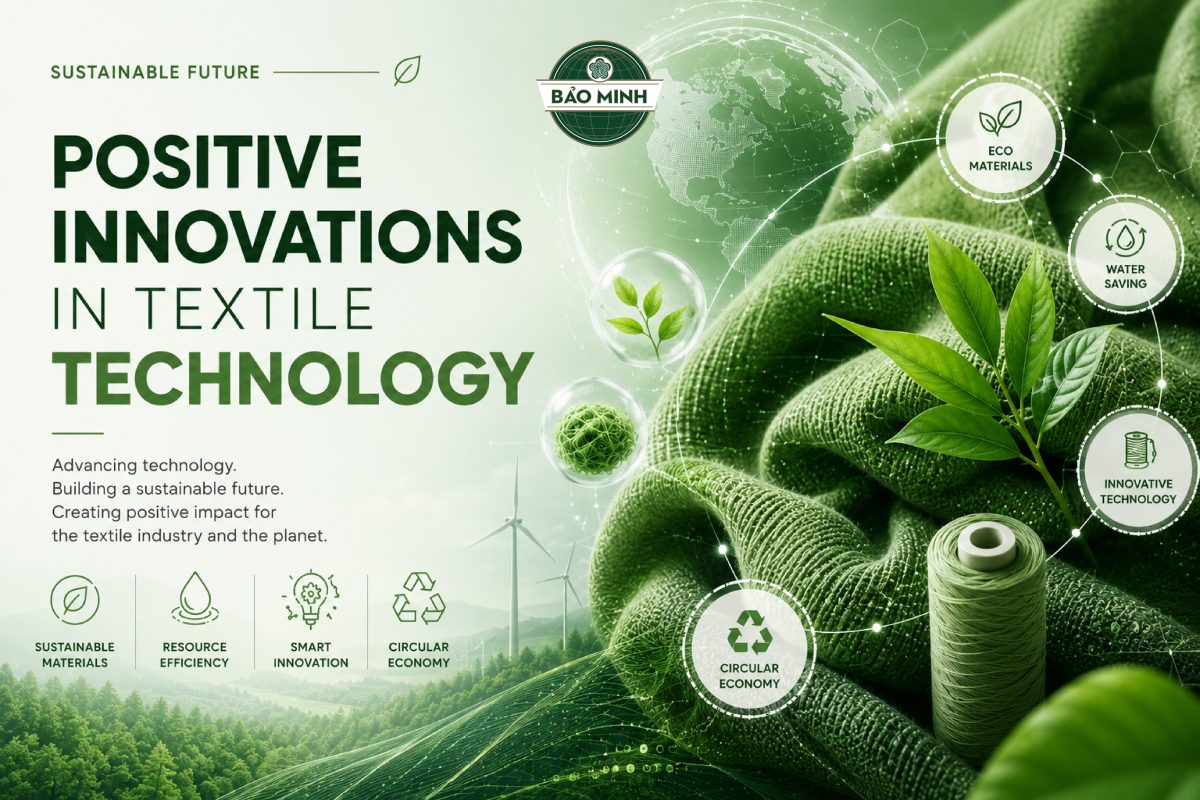
The textile industry in Vietnam is facing challenges and opportunities due to globalization. Digital transformation and the development of a circular economy are promoting sustainable production and consumption networks, opening up significant opportunities for the industry. Bao Minh Textile is a leading example of showing strong commitment to sustainable development, through choosing to use environmentally friendly materials, effective waste management and energy saving. Our company is putting effort in pushing the Vietnamese textile industry towards sustainable development.
I. Pressure from Material Prices
The textile industry in Vietnam is facing pressure from raw material prices, especially cotton prices, along with increasing wages in the industry, creating challenges for competitiveness and production costs.
1. Cotton Prices – Fluctuations and Pressures
One of the important issues facing the textile industry in Vietnam is the pressure from raw material prices, especially cotton prices. Since the end of 2022, cotton prices have been relatively stable, but remain high compared to some other countries. Cotton prices may maintain a stable trend in the near future, but the pressure still exists.
2. Labor Price Difference – Wage Increase
Wages in the textile industry in Vietnam have increased to a higher level than some competitor countries. Although this is a positive signal for workers’ lives, it also creates pressure on production costs and the industry’s competitiveness.
II. Transformation to Achieve Sustainable Development
The textile industry in Vietnam is focusing on sustainable development through more efficient use of resources and is committed to facing challenges to compete more efficiently in the future.
1. Sustainable Development – An Important Direction
An important direction for the textile industry in Vietnam is sustainable development. Using resources more efficiently, reducing waste, and using renewable energy can help the industry become more sustainable. This is not just a future trend but has been implemented by many businesses in Vietnam in the past few years.
2. Commitment to the Future – Efforts of the Vietnamese Textile Industry
During the difficult time, the textile industry in Vietnam can see opportunities in sustainable development. Transformation and diversification will help the industry compete not only in the short term but also in the long term. What is important is the industry’s commitment to promoting sustainable development and innovation.
III. Bao Minh Textile – Leading in Sustainable Development
In the context of the awareness for environmental protection and the need for sustainable development is rising, Bao Minh Textile stands firm on this path and commits to constantly strive for sustainable development by putting it as our top priority.
1. Environmentally Friendly Materials – The Foundation of Sustainability
The choice of which raw materials to use in production plays an important role in ensuring product sustainability. We choose to use environmentally friendly materials like organic cotton, natural fibers and recycled synthetic fibers in our production. Using these materials not only helps reduce the consumption of natural resources but also limits the toxic impact on the environment.
2. Waste Management – Reuse and Recycling
Bao Minh Textile has set a goal in managing waste effectively. The company not only focuses on reducing the amount of waste but also cares about reusing and recycling them. Products that are no longer in use are recycled intelligently and sustainably.
3. Energy Saving – Environmental Protection
Energy saving is another important part of sustainable development. Bao Minh Textile has invested in energy-saving technology and equipment to reduce the negative impact of production activities on the environment. Using clean and efficient energy sources has helped reduce greenhouse gas emissions.
IV. Bao Minh Textile’s Sustainability Commitments
At Bao Minh Textile, sustainable development is not only a goal, but it is our core commitment. We not only focus on improving production processes to make them more efficient, but also see this as an opportunity to promote sustainability awareness in the industry.
We are committed to continually reviewing and improving our manufacturing processes, from using resources more efficiently to reducing waste. We also put the interests of the environment and our communities first and are committed to promoting sustainable and innovative development.
This commitment is our way of contributing to building a more sustainable business community. We believe that by doing so, we not only create good products but also contribute to a better future for the textile industry and for society.