

16/06/2025
Organic Cotton: The Good Choice for Sustainable Fashion
Cotton is one of the most widely grown crops in the world, grown in over 100 countries around the world. It has become one of the main materials in the fashion and fabric industries, with millions of tonnes produced annually. From clothing, bedding, furniture to fencing and many other applications, cotton plays an important role in our daily lives.
1. What is Cotton?
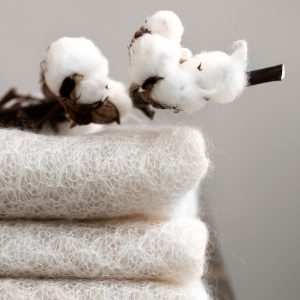
Cotton fabric is made from cotton fibers (derived from cotton bolls) or it can be combined with other synthetic fibers such as polyester or semi-synthetic fibers like viscose, rayon, etc. It is famous for its easy dyeing ability, high durability, good moisture absorption, and comfort when wearing. Because of these characteristics, cotton has dominated the fashion and garment industry worldwide.
2. Cotton Production Process
This is how cotton fabric is made:
- Harvesting: Cotton is harvested in November – December (according to the Gregorian calendar) through three different harvesting periods to ensure quality.
- Removing Impurities: After harvesting, cotton is cleaned to remove impurities, which determines the quality of cotton fibers.
- Spinning: Cotton fibers are spun and treated in special solutions to form cotton yarn.
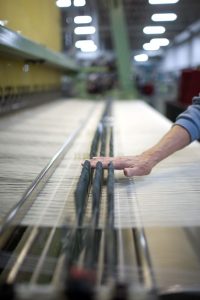
- Weaving: Cotton fibers are then woven together to create fabric sheets.
- Dyeing: Cotton fabric can be dyed in different colors as required.
- Washing: Finally, cotton fabric is washed to ensure softness and quality standards.
3. Cotton Fabric Classification
Cotton has many different types of fabrics with their own characteristics and applications:
- 100% Natural Cotton Fabric: Made from 100% pure cotton fibers, suitable for summer clothes and hot weather
- Poly Cotton Fabric: A combination of cotton fibers and polyester synthetic fibers, more durable and less wrinkled.
- Satin Cotton Fabric: Has a shiny and smooth surface, suitable for interior and decorative products.
- Silk Cotton Fabric: A combination of cotton and silk, creating a soft and elegant feeling.
- CottonVelvet: Has a smooth and soft surface, often used for interior decoration and winter products.
- Egyptian Cotton: Derived from cotton in Egypt, has finer and smoother fibers than regular cotton, suitable for high-end products.
- Cotton 65/35 (CVC): A blend of 65% cotton and 35% synthetic fibers, suitable for everyday wear and less wrinkled.
- Cotton 35/65 (TC): A blend of 35% cotton and 65% synthetic fibers, more durable, suitable for industrial and sportswear
4. Advantages and Disadvantages of Cotton
4.1 Advantages
- Breathability: Cotton has good moisture absorption, helping the skin stay dry and cool in hot weather.
- Dyeability: It is easy to dye and holds color well, allowing for creativity in fashion design.
- Biodegradable: Cotton is a natural and biodegradable material, helping to reduce the impact on the environment.
4.2 Disadvantages
- Wrinkling and Shrinkage: Cotton can wrinkle and shrink after washing, requiring careful ironing.
- Water Absorption: Although it absorbs moisture well, cotton also absorbs water quickly, making clothes heavy and less breathable when wet.
- Color Fading: Although it is easy to dye, cotton can fade over time and after a number of washes.
5. Organic Cotton Bao Minh Textile – The Perfect Combination of Fashion and Sustainability
Organic Cotton is increasingly popular in fashion and sustainable lifestyle trend.
5.1 Commitment to Organic Cotton
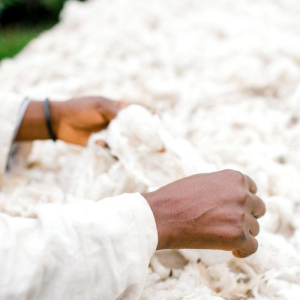
Organic Cotton is a type of cotton grown using organic methods, without the use of toxic chemicals such as herbicides or pesticides. Its development follows the principles of environmental protection and the resistance of cotton plants, helping to reduce water consumption and limit negative impacts on animals and plants. This makes Organic Cotton an interesting choice for those who care about the environment.
5.2 Bao Minh Textile: Quality and Sustainability Commitment
Bao Minh Textile as one of the leading manufacturers also focuses on Organic Cotton products. These products are made from organically grown cotton, ensuring naturalness and no harm to the environment. Bao Minh Textile’s Organic Cotton is not only soft and comfortable but also demonstrates our commitment to the environment and sustainability.
Bao Minh Textile not only uses Organic Cotton in our fabric but we also commit to sustainable development in every aspect of our operations. We optimize production processes, reduce energy consumption, and apply sustainable standards in business management. This demonstrates our commitment to promoting a healthy and sustainable operation approach.
Organic Cotton is a perfect combination of fashion and sustainability, and Bao Minh Textile has captured this trend to bring quality and environmentally friendly products. Choosing Organic Cotton not only ensures comfort and style, but also contributes to environmental protection and sustainable development of our planet.